Treatment
Although Crohn's Disease currently has no cure, there are many ways to reduce pain, reduce the symptoms, and help to achieve relatively good health.
The type and duration of treatment depends entirely on the individual circumstances of the patient. This often means that no two patients will have the same treatment due to the diversity of the related symptoms and the associated treatments.
Medical Treatment
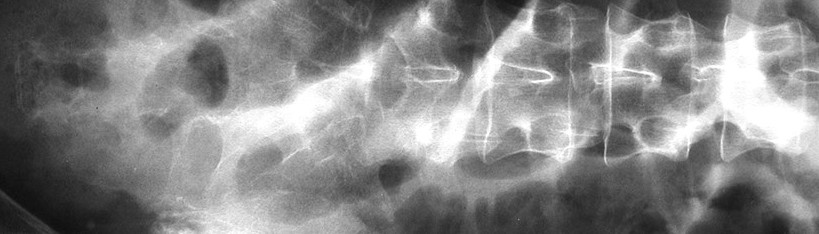
Image taken from: Crohns-disease.org
Initial treatment of Crohn's disease usually involves administering steroids and/ antibiotics, either orally or rectally, to reduce inflammation and the presence, or risk of infection. In addition to this, patients may wish to take Anti-diarrhea medication.
In some circumstances, patients may be advised to take immunosuppressant drugs.
The current medications for Crohn's disease aim to treat the secondary effects of the disease as there is no known medication to prevent the primary causes.
Diet
It is very diffiult to determine a diet which wil assit a particular patient, as some dietary suppliments which may help one patient, can cause adverse affects with others. For example, a high fibre diet may be recommended to a patient with intestinal narrowing, and a low fat diet may be advised to a patient with malabsorbancy.
Surgery
Surgery is generally a last resort in Crohn's disease. It is used when neither diet or medication can help in relieving the symptoms. Surgery may be used to remove the area of GI tract which is most affected, to remove abscesses, obstructions, or in some cases to repair tissue damage, or internal or external fissures.